Key Takeaways
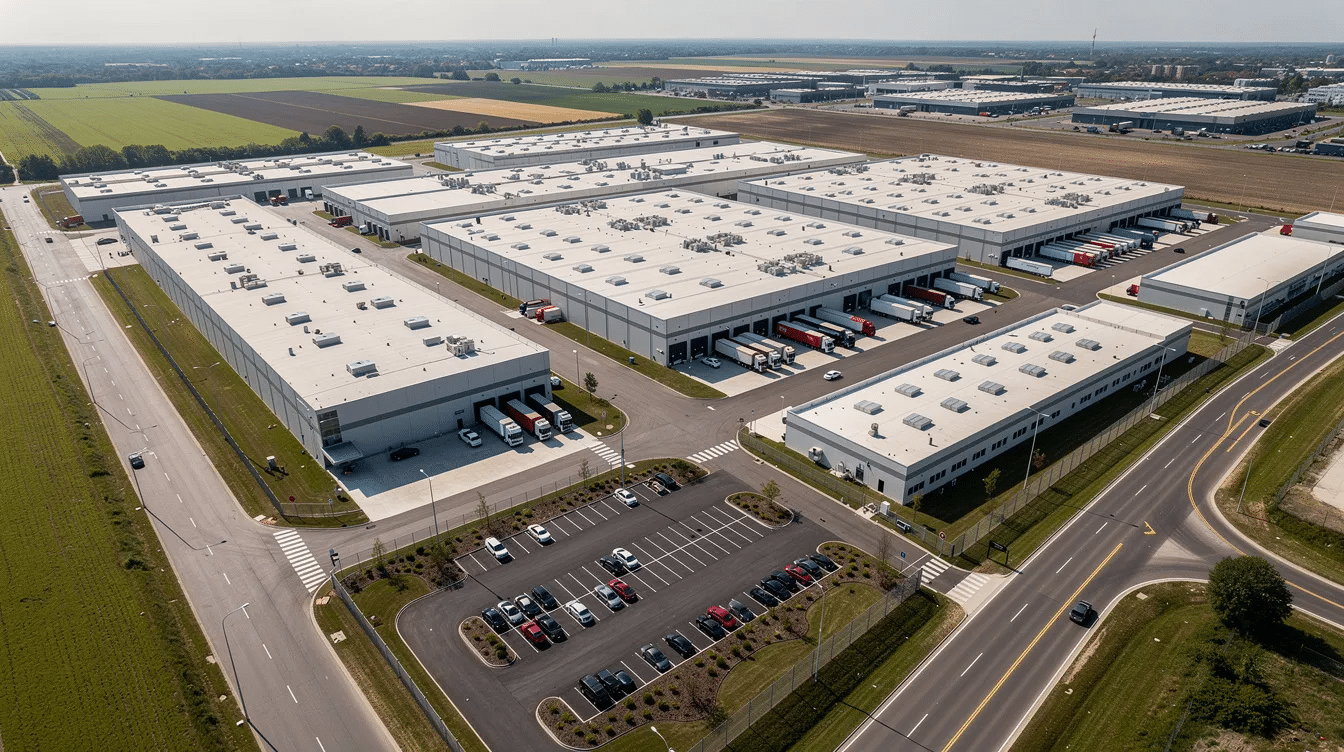
- An industrial flat roofer in Texas specializes in large facilities like warehouses, manufacturing plants, logistics hubs, and data centers built since the 1980s across Houston, Dallas–Fort Worth, San Antonio, and Austin.
- Texas industrial flat roofs must handle extreme UV, 100°F+ summer heat, hail, and Gulf Coast storms, making material choice (TPO, PVC, modified bitumen, coatings) and expert installation critical to long-term performance.
- Professional flat roofers provide inspection, installation, repair, leak tracking, and full replacement for concrete, metal-deck, and steel-structure roofs on industrial buildings.
- Planned maintenance—at least twice per year, often spring and fall in Texas—extends flat roof life from 15–20 years up to 25–30 years on well-built systems.
- Choosing a local Texas industrial flat roofer helps with code compliance, insurance documentation, and fast response to storm damage and emergency leaks.
What Is a Flat Roof on Industrial Buildings in Texas?
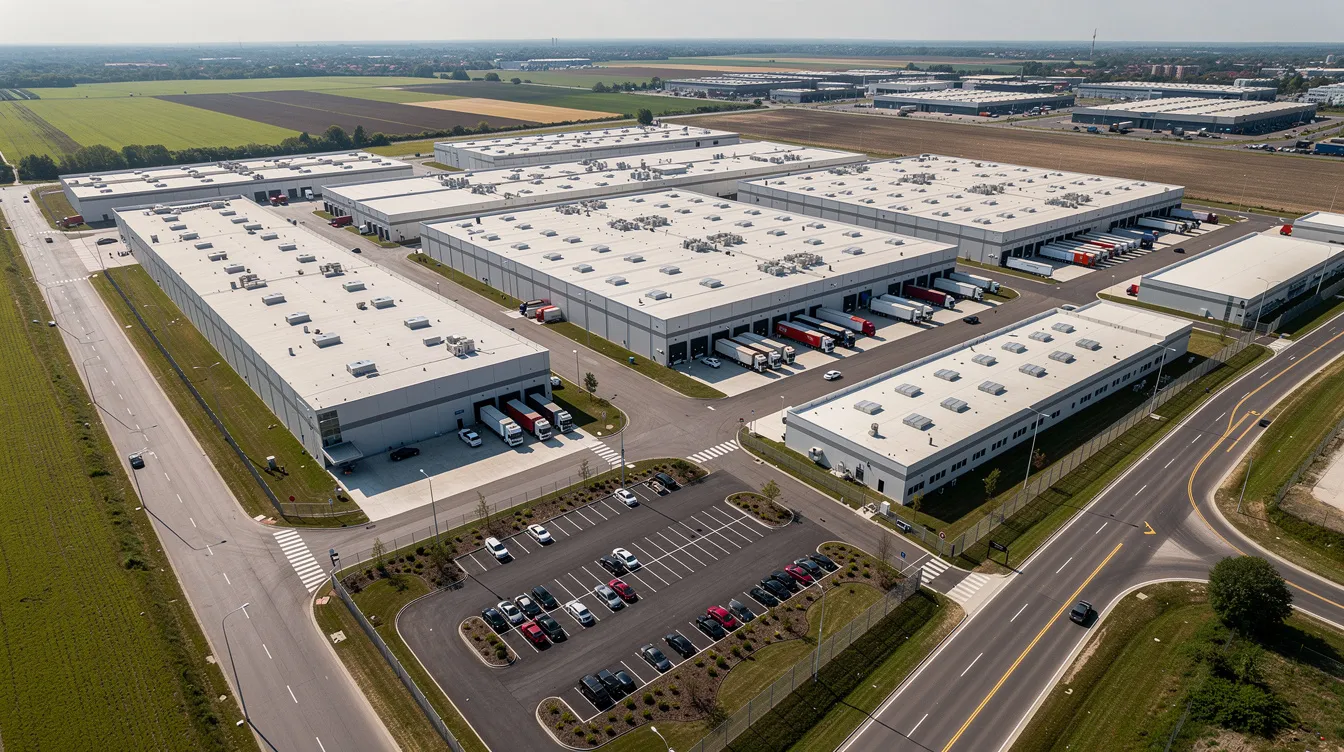
Flat roofs on industrial facilities aren’t perfectly level—they’re very low-slope roofing systems, typically featuring 1/4” to 1/2” of rise per foot. Designed to appear flat while still draining water, these roofs cover Texas factories, fulfillment centers, oilfield service shops, and food-processing plants. The flat roofing system dominates industrial construction because it delivers maximum interior space without the structural complexity of steep-slope alternatives.
Typical structural setups in Texas include metal deck over steel beams (the modern standard for facilities built since the 1980s) or concrete decks on older plants and manufacturing facilities. The membrane or roofing materials are applied over these structural elements, often with insulation and vapor barriers creating a complete roof structure.
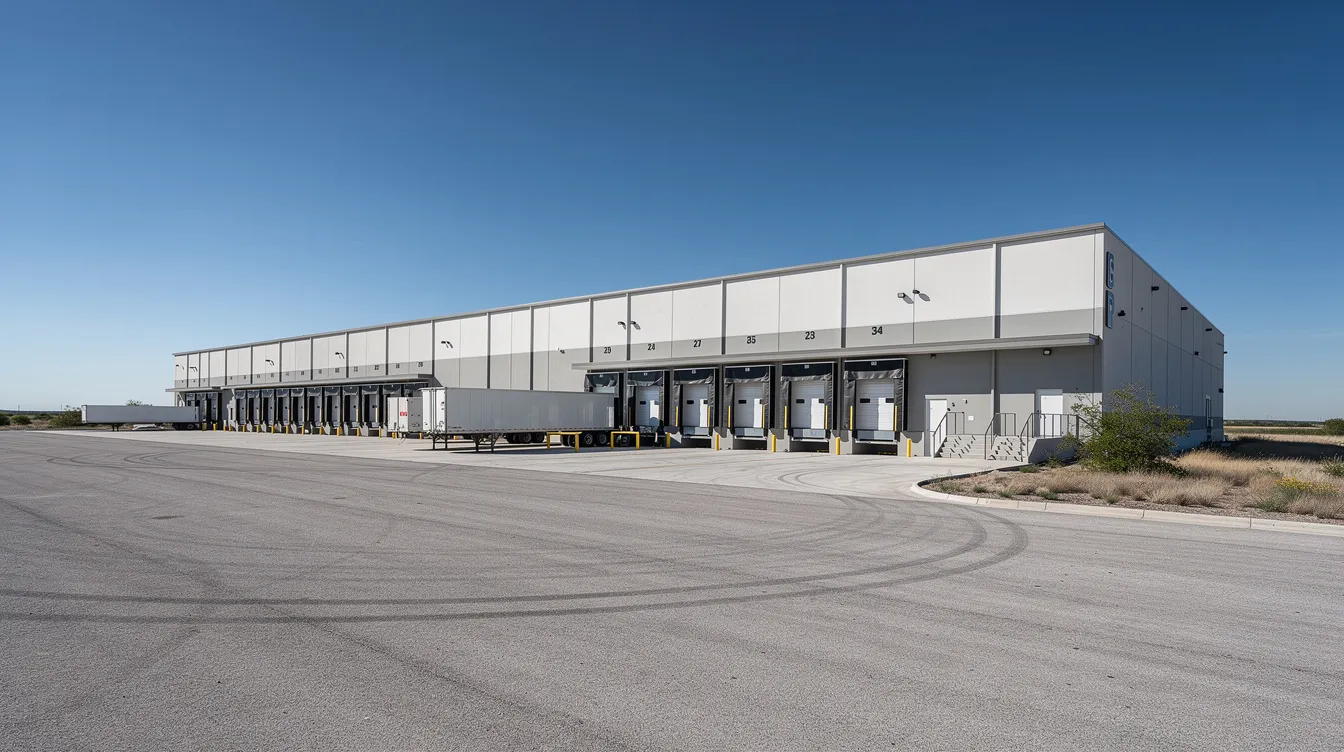
That slight pitch you can’t see from the ground is actually doing critical work. Industrial flat roofs direct water toward internal drains, scuppers, or gutter networks designed to manage heavy Texas thunderstorms. Without proper drainage, ponding water creates membrane stress and structural problems.
Industrial flat roofs frequently support rooftop HVAC units, ventilation equipment, solar panels, and walkways. This means your roof isn’t just a barrier against the elements—it’s a working platform. An experienced flat roof roofer understands how to integrate penetrations, equipment curbs, and flashing details while maintaining waterproof integrity.
These roofs became the default choice for industrial parks built along the I-35 and I-10 corridors because they’re economical, fast to build, and easy to expand. When your business needs to add square footage, flat roofing makes facility growth straightforward.
What Does an Industrial Flat Roof Roofer Do?
An industrial flat roofer in Texas is a specialized commercial contractor focused on large, low-slope roofs. These aren’t the same crews handling residential shingles or siding—industrial flat roofers operate with equipment, crews, and safety procedures sized for facilities ranging from 20,000 to 500,000+ square foot buildings.
Services provided by professional industrial flat roofers include:
- New construction industrial TPO roofing installation on warehouses, distribution centers, and manufacturing plants
- Tear-off and replacement when existing roofing systems reach end-of-life
- Retrofits over existing roofs when code and structure allow
- Emergency leak response with crews available for rapid deployment
- Moisture scans and leak detection using infrared technology and moisture probes
- Ongoing maintenance programs to extend roof lifespan and protect your investment
These roofing contractors work directly with property managers, plant engineers, and facility maintenance teams. Scheduling flat roof repair or installation around production cycles, truck traffic, and shift changes requires coordination that residential roofers simply don’t understand.
Safety planning is non-negotiable on industrial flat roofs. OSHA fall protection requirements, perimeter flags, harnesses, and roof access control become complex on wide, tall Texas buildings. Reputable contractors maintain dedicated safety directors and carry OSHA 30 training certifications.
A Texas-focused industrial flat roofer also helps assemble documentation for insurance claims after hail or wind events. This includes photos, core samples, and written condition reports that support your claims and protect your business interests.
Industrial Flat Roofing Materials Used in Texas
Material choice in Texas must account for high heat, intense UV exposure, and hail risk. Not every flat roof product used in cooler or drier states performs equally under Texas conditions. The right choice depends on your facility type, budget, and long-term operational plans.
White, reflective membranes deliver measurable energy efficiency benefits in cities like Houston and Dallas, directly reducing summer cooling loads on large warehouses. For a 100,000 square foot logistics center, that can translate to significant monthly savings over the roof’s lifespan.
TPO and PVC Single-Ply Membranes
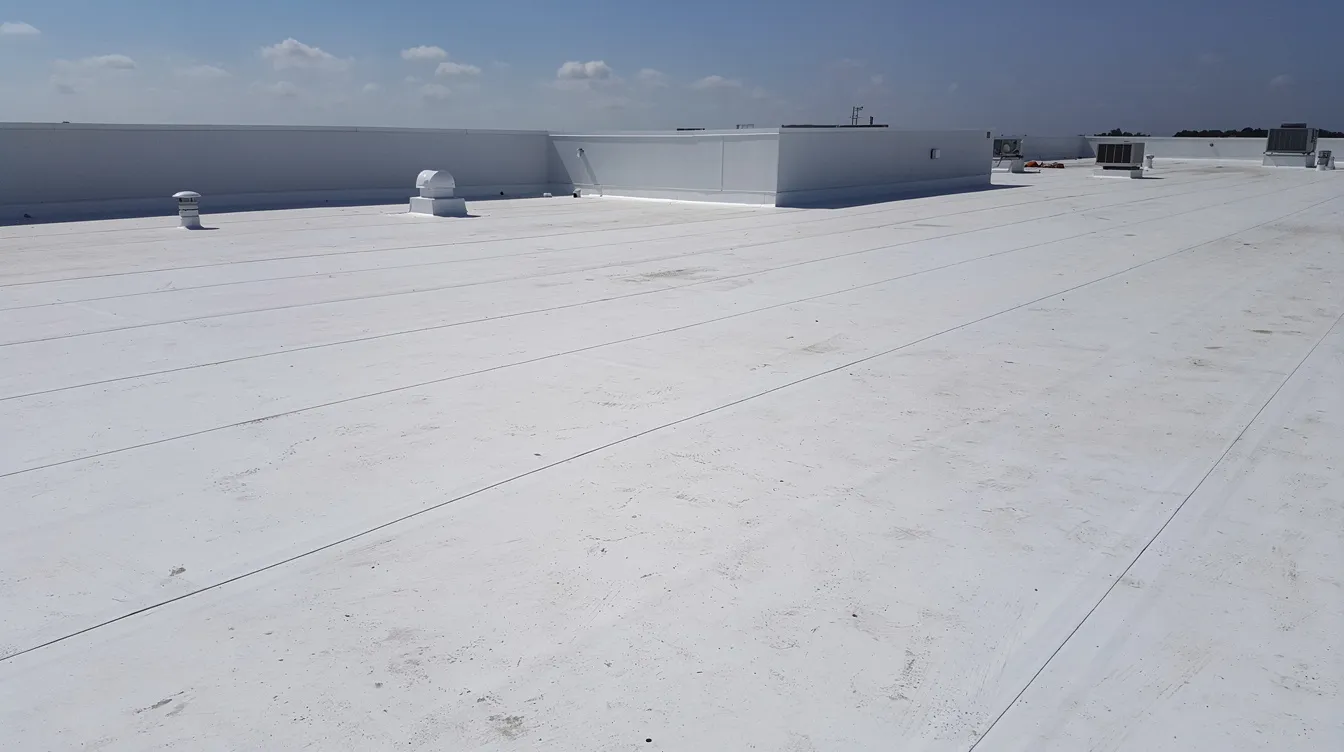
TPO (thermoplastic polyolefin) and PVC (polyvinyl chloride) are the dominant white single-ply membranes on Texas industrial roofs, widely adopted since the late 1990s and early 2000s.
- Heat-welded seams create strong, watertight joints on metal or concrete decks when properly installed
- Ideal for distribution centers, big-box retail, and manufacturing plants wanting reflective roofs to cut AC costs
- UV resistance protects against Texas sun damage over the expected 20–25 year lifespan
- Membrane thickness options (60-mil, 80-mil, or thicker) allow your roofing professional to match hail risk and traffic levels
These systems, including advanced Versico TPO roofing systems, deliver excellent durability while meeting energy efficiency goals that matter to modern commercial properties.
EPDM Rubber Roofing
EPDM is a rubber membrane more common on older commercial buildings and Texas campuses built in the 1980s–1990s. It remains a viable option for certain applications.
Advantages:
- Long track record of performance
- Excellent flexibility, particularly in North Texas freeze-thaw cycles
- Cost-effective for certain retrofit scenarios
Considerations:
- Black EPDM increases cooling loads unless covered or coated
- Seam treatment (taped vs. fully adhered) requires regular inspection to maintain integrity
- Best suited for office parks, medical complexes, and institutional buildings where reroofing can be staged over multiple years
Modified Bitumen and Built-Up Roofing (BUR)
Many industrial plants and refineries in Texas still operate with modified bitumen or traditional BUR systems featuring multiple plies of asphalt and reinforcing felts.
These roofing systems provide:
- Strong puncture resistance for roofs with frequent equipment servicing
- Redundant waterproofing through multiple layers
- Proven performance over 20–30 years when properly maintained
Installation options include torch-applied and cold-applied systems. Fire-safety considerations become critical around industrial processes and fuel storage—an experienced flat roof roofer understands these constraints.
Coatings are often applied over modified bitumen roofs to extend life and improve reflectivity in the Texas sun, bridging the gap until a full replacement fits your budget cycle.
Fluid-Applied Coating Systems
Silicone, acrylic, and polyurethane roof coatings offer restoration options for aging metal or single-ply roofs, often avoiding the need for full tear-off.
Industrial flat roofers in Texas use coatings to:
- Seal seams, fasteners, and minor cracks without disrupting facility operations
- Extend existing roof life by 5–10 years
- Improve reflectivity and reduce heat absorption
Consider a 1980s metal-roof warehouse in Fort Worth experiencing chronic leaks around fasteners. A properly applied coating system can address these penetration issues, seal the entire roof, and restore waterproof performance at a fraction of replacement cost. Coatings are especially useful in drier West Texas climates, though proper surface prep and thickness application remain critical anywhere in the state.
How Long Does an Industrial Flat Roof Last in Texas?
Texas climate—UV exposure, heat extremes, hail, and storm winds—can shorten roof life if design and maintenance are weak. However, high-quality roofing systems with routine care typically perform for 20–30 years before replacement becomes necessary.
Expected lifespan ranges under Texas conditions:
| Material | Typical Lifespan | Notes |
|---|---|---|
| TPO/PVC | 20–25 years | White membranes resist UV degradation |
| EPDM | 25–30 years | Requires seam maintenance |
| Modified Bitumen | 20–30 years | Periodic recoating extends life |
| Coating Systems | Adds 5–10 years | Applied over existing roofs |
| Several factors influence how long your flat roof actually lasts: |
- Installation quality from certified roofing contractors
- Drainage design that prevents pooling water
- Roof traffic from maintenance crews and equipment servicing
- Mechanical equipment layout and penetration quality
- Frequency of professional TPO roof inspections and preventive maintenance
Many industrial building owners in Texas plan capital roofing projects around 15–20 year cycles, even when the roof could last longer. This approach avoids unplanned downtime and emergency replacement costs that disrupt business operations.
An experienced industrial flat roofer provides condition reports and life-cycle projections so facility managers can budget 3–5 years ahead. This isn’t just about knowing when to expect costs—it’s about making the right choice between repair and replacement when problems develop.
Common Industrial Flat Roof Problems in Texas
Wide, open industrial roofs face intense weather exposure and heavy mechanical use. Early detection of problems prevents small issues from becoming major expenses.
Typical issues include:
- Ponding water after Gulf Coast storms when drainage is inadequate
- UV cracking in membrane surfaces exposed to intense Texas sun
- Seam failures where heat-welded or adhered joints separate
- Punctures from foot traffic, dropped tools, or debris
- Hail bruising that compromises membrane integrity
- Wind uplift at edges and corners during severe weather
Clogged internal drains and scuppers create standing water that stresses both the membrane and underlying structure. In cities like Houston, where heavy rainfall is common, drainage maintenance is particularly critical.
Industrial settings create unique challenges that residential or small commercial properties don’t face. Chemical exhausts can degrade certain membrane materials. Grease or oil spills from rooftop equipment damage protective coatings. Ongoing vibration around large HVAC units loosens flashings and fasteners over time.
Leak Sources and Damage Patterns
Most industrial flat roof leaks arise at details—penetrations, seams, terminations, expansion joints, and equipment curbs—not the field of the membrane itself. A San Antonio manufacturing plant might experience frequent leaks near rooftop package units because the flashing around those penetrations has failed, not because the membrane is defective.
Water can travel between membrane and deck, causing leaks to appear far from the visible surface opening. This is why professional leak detection matters—you can’t simply patch where the water drips inside. A Texas industrial flat roofer will often use infrared scans or moisture probes to map hidden water damage across large roof areas.
Prolonged leaks create cascading problems:
- Saturated insulation loses thermal value and adds weight
- Metal decks develop rust and structural compromise
- Operations on the plant floor suffer interruptions and equipment damage
Impact of Texas Weather: Heat, Hail, and Wind
Summer temperatures exceeding 100°F in Dallas and Austin cause thermal movement throughout the day. Membrane expansion and contraction stresses seams and flashings, accelerating aging over the roof’s lifespan.
Hail risk in North and Central Texas presents a serious threat. Hailstones can bruise or fracture membranes and protective granules, even when leaks aren’t immediately obvious. The damage often appears months later as cracks develop in impacted areas.
Strong straight-line winds and occasional tropical storms along the Gulf Coast stress perimeter flashings, coping, and mechanically attached systems. An industrial flat roofer should be called after significant hailstorms or wind events for a documented inspection, even if no leaks are yet visible. This documentation becomes critical for insurance claims.
Flat Roof Repair vs. Flat Roof Replacement for Industrial Facilities
Industrial owners in Texas must balance production schedules, budget constraints, and risk tolerance when choosing between targeted roof repair and complete replacement. Neither option is universally superior—the right choice depends on your roof’s current condition and your facility’s operational needs.
When spot repairs make sense:
- Limited damage affecting less than 25% of roof area
- Relatively young roofs under 10–15 years old
- Isolated leak sources with clearly identifiable causes
- Adequate condition of underlying insulation and deck
Signals that replacement or major retrofit is more cost-effective:
- Widespread membrane deterioration across multiple sections
- Saturated insulation that cannot dry out
- Repeated leak history despite multiple repair attempts
- Code-related issues discovered after storm damage inspection
Labor costs often make up 60–70% of industrial flat roof repair expenses. Repeated emergency visits—each requiring mobilization, safety setup, and crew deployment—can surpass the cost of a planned reroof over just a few years.
A Texas industrial flat roofer should present side-by-side scenarios comparing a 5-year repair plan against full replacement. This analysis includes warranty differences, potential energy efficiency improvements from modern materials, and the business risk of continuing with an aging system.
Repair Strategies for Industrial Flat Roofs
Professional repairs on industrial roofs typically include:
- Cutting out wet insulation and installing dry replacement
- Installing new membrane patches with heat-welded or fully adhered seams
- Resealing penetrations around equipment curbs and vents
- Rebuilding failing crickets around drains to eliminate pooling water
- Addressing edge and corner damage where wind uplift has occurred
For active plants, repairs are often scheduled during nights or weekends to avoid disrupting shipping, loading docks, or critical production lines. Your roofing professional should coordinate with facility operations to minimize business impact.
Avoid DIY or in-house patching on industrial roofs. Incompatible materials or improper flashing installation can void manufacturer warranties and shift liability to the property owner. What seems like cost savings often leads to more expensive problems.
For older Texas roofs, a combination of targeted repairs plus a coating system may bridge the gap until you’re ready for full replacement—giving you years of additional service while spreading capital expenses.
Planning and Executing Full Replacements
Full replacement on a large plant or warehouse involves extensive planning beyond the roofing work itself. Staging areas, safety protocols, debris management, and coordination with facility operations all affect project success.
An industrial flat roofer will assess whether existing layers can remain in place under Texas building code limits, or if complete tear-off to the deck is required. Code-compliant installations may allow overlays that reduce cost and disruption, while severely damaged systems require starting fresh.
Replacements offer opportunities to upgrade:
- Insulation levels to current Texas energy codes, reducing heating and cooling costs
- Drainage layout to eliminate chronic ponding areas
- Membrane selection to maximize reflectivity and UV resistance
For a 200,000 square foot roof replacement, expect a phased approach over several weeks. Crews work across sections, completing each area to watertight condition before moving to the next. This allows the facility to remain operational throughout the project with proper planning.
Benefits of Industrial Flat Roofs for Texas Businesses
Flat roofs remain the standard for industrial projects across Texas for practical reasons that directly affect your bottom line.
Cost advantages:
- Less material volume compared to steep-slope alternatives
- Simpler structural framing requirements
- Easier, less expensive facility expansion when business grows
- Lower replacement costs over building lifecycle
Operational benefits:
- Wide, open interior spaces without trusses intruding on operations
- Rooftop equipment placement frees valuable ground space
- Simple access for maintenance crews and equipment servicing
- Flexibility for future modifications and additions
Future upgrade potential:
- Solar array installation on sunny Texas rooftops
- Cool roof conversions reducing cooling load on warehouses
- Roof-mounted mechanical system expansions as business scales
With regular care from a specialized industrial flat roofer, these roofs deliver predictable performance and fewer unplanned shutdowns due to leaks. The durability of modern flat roofing materials, combined with professional installation and maintenance, protects your investment for decades.
Working with an Industrial Flat Roofer in Texas
Partnering with a roofer that focuses on industrial and commercial flat roofs—rather than residential work—makes a measurable difference in project outcomes. Industrial roofing demands different equipment, crew expertise, and safety protocols than installing shingles on a house.
What building owners and facility managers should evaluate:
| Qualification | Why It Matters |
|---|---|
| Texas commercial licensing | Legal compliance and accountability |
| Comprehensive insurance | Protection against on-site incidents |
| Safety certifications (OSHA 30) | Required for industrial site access |
| Manufacturer certifications | Validates installation quality for warranties |
| Local references from similar facilities | Proves relevant experience |
| Site-specific expertise matters in Texas. Your roofing contractors should understand local wind uplift requirements, city permitting processes in Houston, Dallas, Austin, and San Antonio, and how to document hail damage for Texas insurers. |
A typical engagement follows this process:
- Initial inspection of existing roof condition
- Condition report with photos and identified issues
- Options presentation comparing repair vs. replacement scenarios
- Budget development with timeline projections
- Scheduling coordinated around plant operations and business needs
Texas industrial property owners should contact an experienced industrial flat roofer for inspections, storm assessments, or upcoming re-roof projects. Don’t wait until a leak disrupts operations to discover your roof’s condition—proactive engagement saves money and prevents business interruptions.
Maintenance Programs and Preventive Care
The best outcomes come from formal maintenance agreements rather than reactive emergency calls. Industrial flat roofs benefit from at least semiannual visits—often March–April and September–October in Texas—plus post-storm inspections when needed.
Common maintenance tasks include:
- Debris removal around drains and scuppers
- Sealing minor cracks before they become leak sources
- Tightening or replacing loose fasteners
- Checking flashings at rooftop units and penetrations
- Documenting developing issues for tracking and budgeting
Documented maintenance supports both warranty claims and insurance coverage. If a major storm hits and you can show a pattern of professional care, your claim position strengthens significantly.
Consider a Houston warehouse where proactive maintenance cleared debris from drains and verified flashing integrity before a heavy rain event. While neighboring facilities experienced interior water damage, this building remained dry because the maintenance team had addressed potential problems before they failed. The cost of preventive maintenance proved far less than emergency repairs and business interruption at comparable properties.
FAQ: Industrial Flat Roof Roofers in Texas
How often should an industrial flat roof in Texas be inspected?
- Most industrial flat roofers recommend at least two inspections per year: once before storm season (March–April) and once before cooler, wetter months (September–October).
- Additional inspections are strongly advised after severe hail, strong winds, or hurricanes/tropical storms, even when no leaks are visible.
- High-traffic roofs with frequent mechanical servicing may need quarterly visual checks to catch punctures or flashing damage early.
Can business operations continue during flat roof work?
- Experienced industrial flat roofers plan projects so most Texas facilities can stay operational throughout the job.
- Noisy or disruptive tasks can be scheduled during off-hours when necessary to avoid production conflicts.
- Processes sensitive to dust or vibration may require temporary protection or coordination with plant managers.
- Discuss production schedules, critical equipment, and shipping windows early in planning to avoid surprises.
What information should I have ready before calling an industrial flat roofer?
- Gather basic details: building location in Texas, approximate roof size, age of current roofing system, known leaks, and any past roofing records or warranties.
- Photos of problem areas, interior water stains, and rooftop equipment layouts help the roofer prepare for the initial inspection.
- Share upcoming expansion plans or equipment replacements that could affect roof design or penetrations.
Are cool roofs worth it for industrial buildings in Texas?
- White, reflective flat roofs significantly reduce heat gain on warehouses and plants, lowering cooling costs during long Texas summers.
- Benefits are highest for air-conditioned spaces and distribution centers with extended operating hours in Dallas, Houston, and San Antonio.
- An industrial flat roofer can estimate potential savings and review cool roof options compatible with your existing or planned roofing system.
How do warranties work on industrial flat roofs?
- Manufacturers typically offer 10–30 year warranties on TPO, PVC, and similar systems when installed by certified industrial flat roofers.
- Warranty types differ: material-only covers the membrane itself; labor-and-material includes installation defects; no-dollar-limit (NDL) warranties provide comprehensive coverage.
- Regular documented maintenance is usually required to keep warranty coverage valid—keep records of all inspections, repairs, and modifications.