This guide is designed for property owners, facility managers, and anyone considering a flat roof replacement or installation. Understanding the differences between TPO and EPDM is crucial for making an informed decision that impacts your building’s energy costs, maintenance needs, and long-term value. Choosing between TPO and EPDM roofing affects energy costs, installation methods, seam strength and maintenance requirements. TPO roofing delivers superior reflectivity and heat welded seams that reduce cooling costs, while EPDM roofing provides proven track record durability spanning 25-40+ years.
What Are TPO and EPDM?
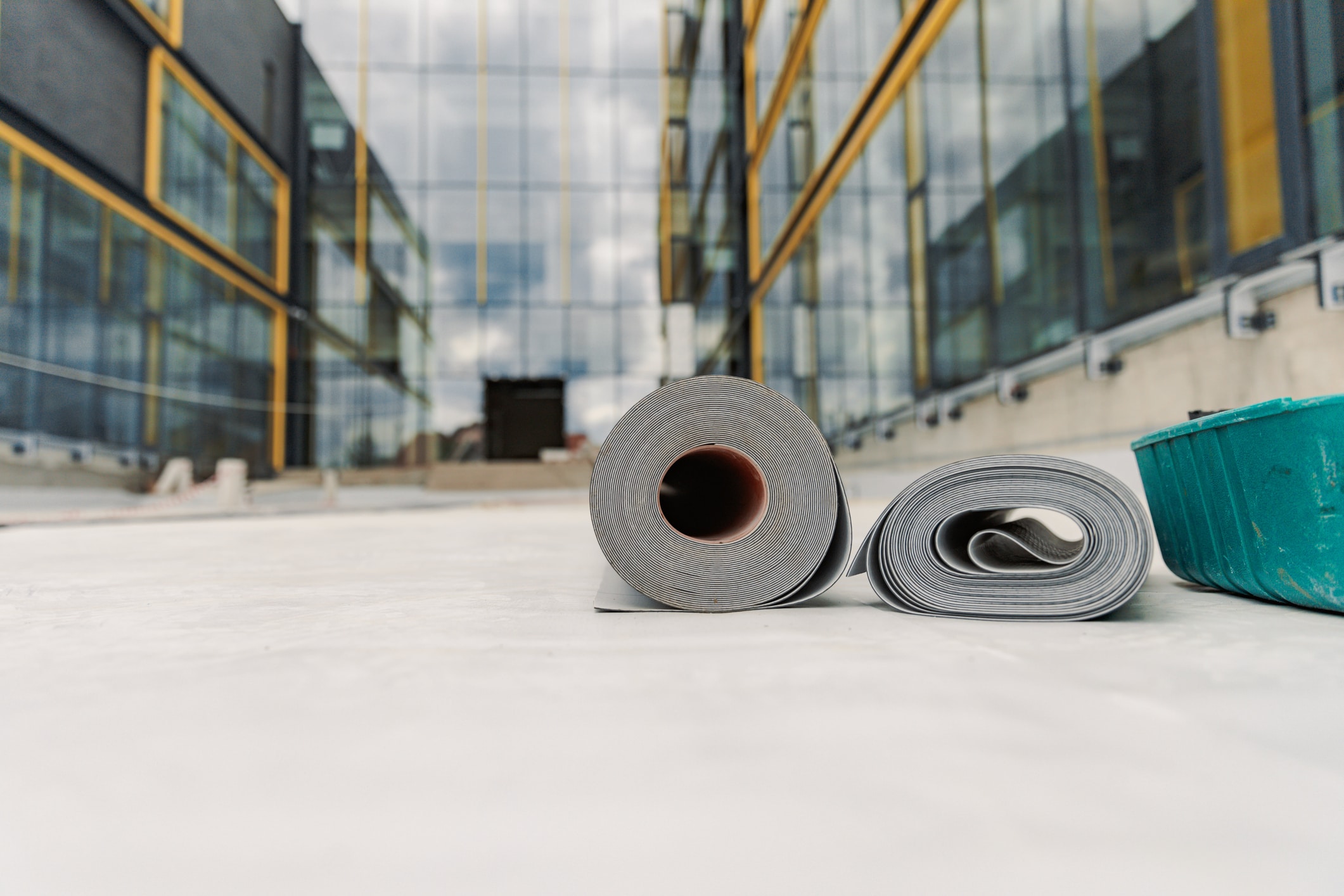
TPO (Thermoplastic Polyolefin) and EPDM (Ethylene Propylene Diene Monomer) are both single-ply membrane roofing materials used in commercial roofing. TPO is made from a blend of polypropylene and ethylene-propylene rubber, while EPDM is primarily composed of synthetic rubber and has been used in the commercial roofing industry for decades.
The right material depends on your climate, budget and long-term building goals. Below is a practical comparison of TPO vs EPDM flat roofing systems.
TPO vs EPDM Roofing: Key Differences
The main difference comes down to energy efficiency versus proven durability.
- TPO roofing focuses on heat welded seams, superior reflectivity and cooling cost savings.
- EPDM roofing relies on adhesive seams, heat absorption and long-term reliability.
Both approaches can produce effective flat roof protection, but performance differs significantly based on climate and property owner priorities.
Installation and Seam Strength
Seam quality is critical for flat roof waterproofing. The installation method determines how well your roofing system resists water infiltration over decades of weather conditions.
TPO Roofing Installation
TPO installation uses heat welded seams that create continuous watertight seal barriers across the entire roof deck. Hot air fusion bonds thermoplastic polyolefin membranes together, making seams stronger than the membrane itself—often up to four times stronger than taped EPDM seams.
TPO membranes come in wider sheets, resulting in fewer seams across commercial buildings and residential flat roofs. Fewer seams mean fewer potential failure points, reducing long-term repair costs.
TPO installation methods include fully adhered, mechanically fastened with mechanical fasteners, or ballasted systems. Each approach requires specialized equipment and properly trained roofing contractors to ensure seam integrity, and understanding what a TPO roof is and its advantages helps property owners choose the right system.
EPDM Roofing Installation
EPDM roofing installation uses bonding adhesives or seam tape to join ethylene propylene diene monomer membranes. These adhesive-based connections are sensitive to weather conditions, humidity levels and substrate preparation during installation.
Ballasted EPDM systems use concrete pavers or gravel to hold membranes in place, while fully adhered systems bond directly to the roof structure. Both EPDM and mechanical attachment methods have proven effective when properly installed.
However, adhesive seams may weaken over time with UV exposure, temperature fluctuations and thermal cycling. Regular maintenance inspections help identify seam separation before water damage occurs.
Energy Efficiency and Climate Performance
Energy costs vary significantly between white TPO and black EPDM roofing materials. Understanding these differences helps property owners calculate total ownership costs.
TPO Energy Efficiency
White TPO membranes reflect up to 77-80% of UV rays, dramatically reducing heat transfer into commercial buildings. This reflective surface keeps roof temperatures approximately 75°F cooler than black EPDM roofs under direct sunlight.
In Texas heat tests, black EPDM roofing reached 187°F while white TPO measured only 112.5°F on the same day. This temperature difference translates to 20-30% reductions in cooling costs for buildings in warm climates, aligning with common TPO roofing questions about energy efficiency and performance.
TPO roofing qualifies for ENERGY STAR certification and cool roof rebates, providing additional energy savings and potential utility incentives. TPO’s ability to reflect sunlight makes it particularly effective for air conditioning load reduction.
EPDM Climate Performance
Traditional black EPDM roofing systems absorb solar radiation, which increases cooling costs in summer but can reduce heating costs during winter months. This heat absorption benefits commercial facility owners in northern climates with high heating demands.
EPDM roofs tend to perform well in cold weather due to the ethylene propylene rubber composition, which maintains flexibility in extreme temperatures without cracking or becoming brittle.
White EPDM coatings are available to improve reflective properties, though these add cost and require periodic reapplication. For property owners prioritizing winter performance over summer cooling, standard EPDM remains cost-effective.
Durability and Lifespan
Longevity affects total roof ownership costs. Both TPO and EPDM single ply roofing membrane systems offer decades of protection when properly maintained, and broader commercial roofing maintenance and replacement guidance can help maximize that lifespan.
TPO Roof Durability
TPO roofing systems typically last 15-25 years with proper installation and regular maintenance. Premium 60-mil or 80-mil TPO membranes may reach 25-30 years under optimal conditions.
TPO offers outstanding resistance to puncture damage, chemical exposure and UV radiation. The smooth surface resists dirt accumulation, helping maintain energy efficient reflective properties over time.
Modern TPO formulations have improved significantly since early generations. Better UV stabilizers, thicker mil options and standardized testing under ASTM and FM criteria have addressed earlier reliability concerns.
Heat welded TPO seams require minimal maintenance compared to adhesive-based systems. When seams are properly welded, they rarely require repair during the roof’s service life, though regular professional TPO roof inspections in Texas are still essential to catch issues early.
EPDM Roof Longevity
EPDM roofing membranes deliver proven 25-40+ year lifespans, with some installations exceeding 50 years of service. This proven track record spans over six decades of field performance data across diverse climates, making EPDM a strong baseline when evaluating options like TPO retrofit roofing for aging roofs.
EPDM demonstrates excellent UV resistance and maintains flexibility through extreme temperature fluctuations. The synthetic rubber composition handles freeze-thaw cycles without degradation common in other roofing materials.
However, EPDM membranes may shrink up to 2% over time, stressing seams and flashings. Foot traffic can damage EPDM surfaces more easily than TPO, requiring careful maintenance around rooftop equipment access points and rapid emergency roof repair services when leaks or tears occur.
Cost Considerations and Maintenance
Upfront costs must be weighed against long-term expenses including energy bills, repair costs and replacement timing.
TPO Cost Factors
TPO roofing costs approximately $6-10 per square foot installed, depending on membrane thickness and installation method. While slightly higher than EPDM initially, energy savings offset these costs in warm climates.
Annual cooling cost reductions of 20-30% accumulate significant savings over a 20-year roof life. For large commercial buildings in Texas, this translates to thousands of dollars in annual energy savings when paired with a commercial TPO roofing installer experienced in energy-efficient designs.
Heat welded seams require minimal ongoing maintenance. Periodic inspections focus on drainage, flashing details and weld integrity rather than labor intensive seam repairs.
EPDM Investment Value
EPDM roofing costs $5-9 per square foot installed, providing lower upfront investment for budget-conscious property owners. The extended lifespan delivers lower lifecycle costs when calculated per year of service.
However, heating costs and cooling costs must factor into total ownership calculations. Black EPDM increases summer cooling demands, potentially offsetting initial savings in warm climates.
Seam maintenance requires periodic inspections for adhesive integrity and tape degradation. Bonding adhesives may need reapplication at seams and flashings, adding labor costs over the roof’s lifespan and underscoring the value of scheduled TPO roof inspections in Texas for owners managing multiple roof systems.
Climate and Building Considerations
Local weather patterns often determine the most practical choice between TPO and EPDM roofing systems.
Hot, sunny climates like Texas, Arizona and the Southeast benefit most from TPO’s cooling properties. Reduced air conditioning loads and utility rebates make TPO the energy efficient choice where cooling costs dominate annual energy costs.
Cold climate advantages favor EPDM’s heat absorption during winter months. Northern commercial buildings with high heating costs may benefit from EPDM’s thermal properties and proven cold-weather flexibility.
Building type, roof design complexity and owner priorities also influence material selection. Complex roof structures with many penetrations may favor EPDM’s forgiving flexibility, while large flat roofs with straightforward designs benefit from TPO’s fewer seams and stronger welds, especially when using advanced Versico TPO roofing systems.
TPO vs EPDM: Which Should You Choose?
Choose TPO roofing if you prioritize energy efficiency, operate in hot climates, or want superior seam strength. TPO’s heat welded seams and reflective properties deliver measurable cooling cost reductions for Texas property owners.
Choose EPDM roofing if you prioritize maximum longevity, need proven performance history, or operate in cold climates. EPDM roofs tend to deliver decades of reliable service with proper maintenance.
Both TPO and EPDM can deliver excellent flat roof protection when properly installed by experienced roofing contractors. Professional installation ensures seam integrity, proper drainage and warranty compliance regardless of material choice.
Get Expert TPO and EPDM Roofing Services in Texas
TPO Roofer of Texas specializes in both TPO and EPDM flat roofing systems for commercial and residential properties throughout Texas. Our certified installers bring the specialized equipment and expertise required for proper installation of single ply roofing membrane systems.
Whether you need a new flat roof installation, repair services, or professional assessment of your existing roofing system, TPO Roofer delivers quality workmanship backed by comprehensive warranties. We help property owners select the right roofing materials based on climate, building requirements and budget considerations.
Contact TPO Roofer today for a free consultation and expert assessment of your flat roof needs. Visit our Texas flat roof installer contact page to schedule an inspection or quote, and ask about Firestone TPO roofing systems for commercial buildings. As Texas’s trusted choice for single-ply roofing solutions, we ensure your investment delivers maximum protection and value for decades to come.